

Anytime the conversation around Menstrual Leave, there seems to be a collective eyeroll. In most cases, women’s pain is dismissed as an exaggeration. The question is, would the implementation of menstrual leave offer special treatment for women, or would it be adapting the workplace to better cater to the needs of women?
Menstruation and Some Statistics
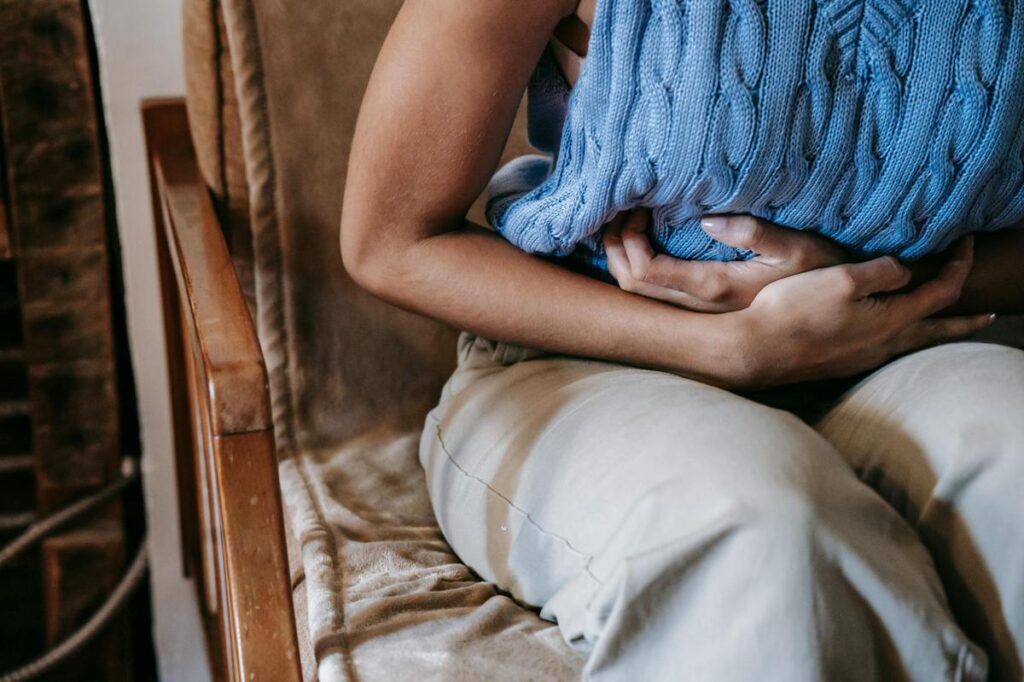
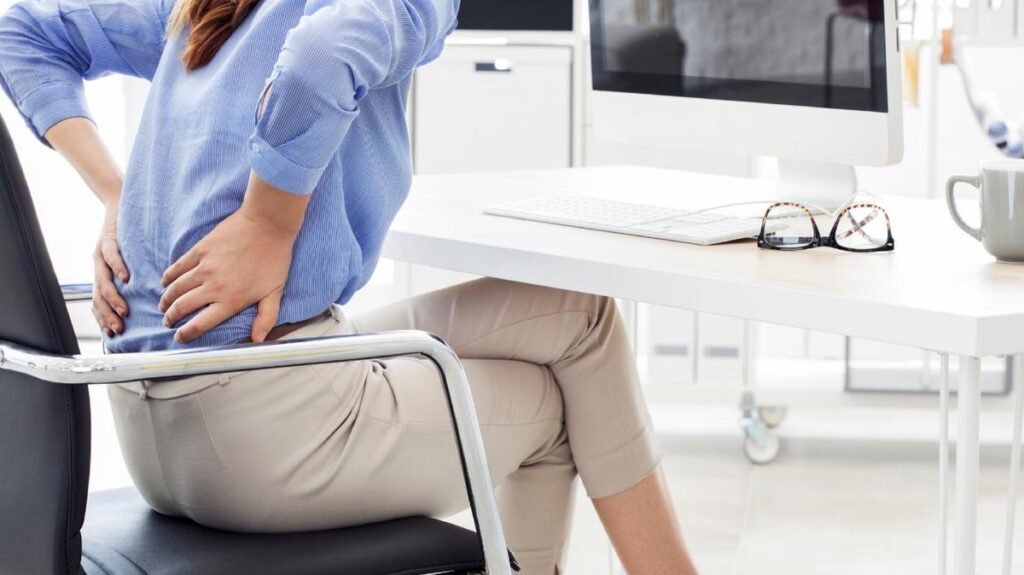
Menstruation is a biological process that takes place in the female reproductive system, typically during reproductive age. This process may occur over 28 days and includes the menstrual phase, which typically lasts 3 to 8 days. During these periods, many women may experience symptoms that make it hard for them to perform at their optimum and affect workplace productivity. Such symptoms include back pain, cramps, headaches, and fatigue. For many women who suffer from reproductive conditions like endometriosis and polycystic ovarian syndrome, their symptoms are exacerbated and may cause chronic pelvic pain, heavy bleeding, and extreme fatigue. Another menstrual condition, known as dysmenorrhea, which is characterised by painful menstrual cramps, affects nearly 95% of those in their reproductive years. According to a study published in BMJ Open, about 71% of women reported symptoms like abdominal pain during their periods, and nearly 20% experienced severe symptoms that impacted their ability to work effectively. Research shows that during periods, women experience absenteeism from work or school, increased levels of depression and anxiety, although less than half of women seek medical help.
Gender Discrimination and Workplace Inclusivity
Although women make up 48% of the workforce, workplace culture and conditions still cater mostly to their male counterparts. It does not help the situation further that cultural and historical narratives portray menstruation as a source of shame and secrecy, marginalising women and making it difficult for them to speak up about what affects them in the workplace. Company policies and even work infrastructure do not acknowledge or attempt to meet women halfway in addressing the problems associated with menstruation. Women are still expected to show up and give a 100% of themselves despite what they will be struggling with physiologically. These conditions have forced women to rely on personal coping strategies such as taking heavy pain medication or attempting to rest when the opportunity presents itself.
Developing a Menstrual Leave Policy: Spain, Indonesia, and Zambia
The development of a menstrual leave policy can be complex, especially considering the different symptoms and experiences of women during their cycles. However, we can glean from some countries that have introduced such policies in order to assist in developing menstrual leave policies that are gender inclusive.
In Zambia, the menstrual leave policy is known as “Mother’s Day.” This allows women to take one day of paid leave per month for menstrual-related issues without requiring a medical certificate. While a single day is far from sufficient for many women, this policy is revolutionary because Zambia is the first African country to acknowledge the physical and emotional challenges women may face during menstruation. The right is entrenched in the 2015 Employment Code, and employers may face legal repercussions if they do not give effect to this right. What makes Zambia’s approach particularly noteworthy is its foundation of trust, as women are not burdened with proving their pain through a medical certificate, making the policy more humane.
One of the earliest countries to introduce the menstrual leave policy was Japan. After World War II, female conductors at the Tokyo Municipal Bus Company did not have access to restrooms throughout the day, which made it difficult for them to work while on their menstrual cycle. After labour unions complained about the conditions, the 1947 Labor Standards Law enacted Article 68 on menstrual leave. Under the law, any woman who is experiencing period pain, or who works in jobs that can intensify their menstrual pains, is allowed to take menstrual leave known as “seirikyuuka.” In order to take leave, the woman must notify her employer and provide a doctor’s note diagnosing the symptoms.
Recently, Spain made headlines in 2023 by becoming the first European country to pass a law granting paid menstrual leave, aiming to normalize menstruation and reduce the stigma surrounding it. The leave is framed as a form of temporary medical leave, and employees experiencing menstrual pain can take paid time off if the condition is certified by a doctor. There is no fixed maximum duration written into the legislation, but typically the paid leave lasts for up to three days per month, with the option to extend to five days in more severe cases.
The most impressive aspect of this policy is the fact that Spain’s public social security is responsible for funding an employee’s leave on these days. This means that the policy is not just part of Spain’s employment law, but entrenched in its healthcare policy.
Baby Steps towards Gender Equity in the Workplace
Although reform is needed at a legislative and governmental level, companies can develop internal policies and begin the conversation around women’s health in the workplace. Companies can work with women’s health advocates and labour unions to develop clear guidelines for their female employees. Developing clear policies means reducing misuse and discrimination. Furthermore, data can be collected from among female employees to ensure that their specific needs are met and the stigma around menstruation is removed in the workplace.
Author